5 Minimalist Home Tips to Reduce Stress Every Day

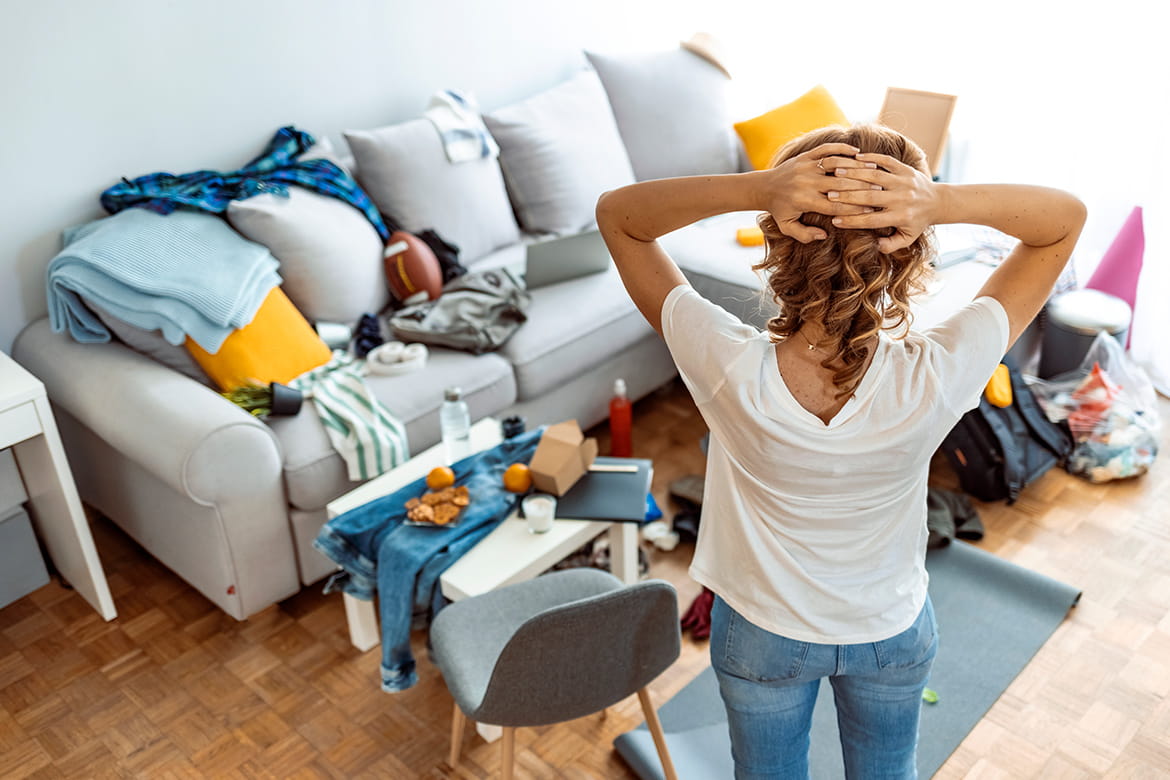
A cluttered home fuels mental fatigue. A streamlined one restores clarity. Minimalist design, when practiced intentionally, transforms everyday environments into sanctuaries of calm. Here are five actionable ways to simplify your home and reduce daily stress—starting now.
1. Declutter First: Visual Calm Equals Mental Calm
Visual chaos triggers the brain’s stress response. Begin with a simple purge—one room, one drawer, one shelf. Keep only what’s functional or emotionally meaningful. Everything else creates friction.
Follow a quick system:
-
Keep: Items used daily or weekly.
-
Donate: Things in good shape but rarely used.
-
Discard: What’s broken, duplicated, or irrelevant.
Decluttering once is easy; maintaining it daily is mastery. Ten minutes a day of tidying sustains peace far longer than weekend marathons of cleaning.
2. Design with Purpose, Not Decoration
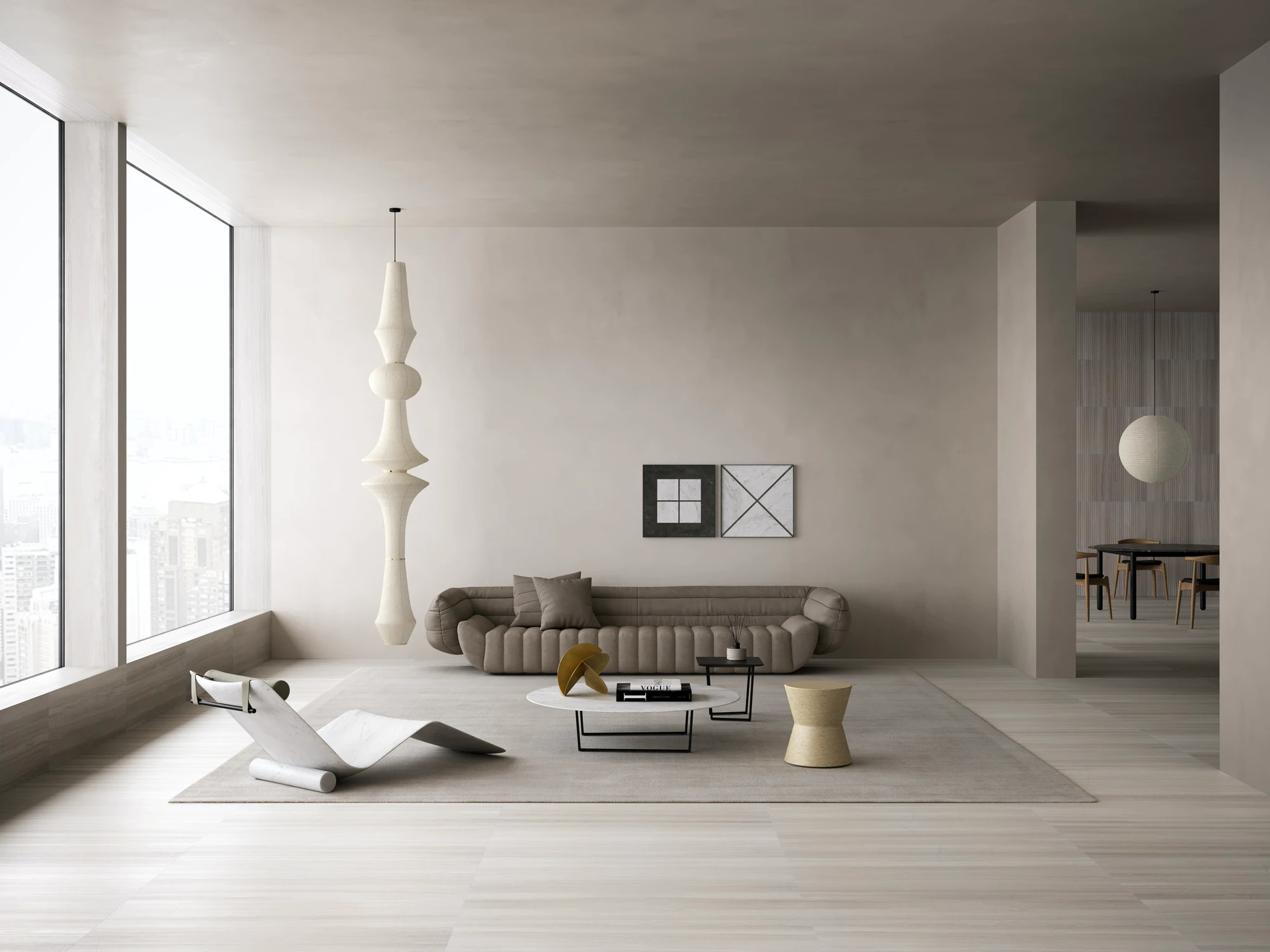
Every piece in a minimalist home earns its place. Choose furniture with dual functions—benches with storage, foldaway desks, modular shelving.
Avoid crowding walls or surfaces. Open space isn’t emptiness; it’s visual breathing room.
Good design solves problems quietly. A purposeful layout supports movement, routine, and mental clarity—without shouting for attention.
3. Use Light and Color to Regulate Mood
Light dictates mood more than furniture ever could. Natural light reduces stress hormones, improves sleep, and enhances focus. Keep windows clear, use sheer curtains, and position mirrors to reflect light deeper into rooms.
Neutral tones amplify calm. Soft whites, beige, and gray stabilize visual energy. Add contrast through natural wood or plants—not clutter.
4. Establish a Short, Daily Reset Routine
The key to lasting minimalism isn’t one big clean—it’s repetition. Create a 10-minute evening reset:
-
Return items to their designated places.
-
Wipe visible surfaces.
-
Prepare for tomorrow.
This small ritual eliminates mental residue from the day. When you wake up to order, your brain starts in neutral, not chaos.
5. Add Greenery and Mindful Details
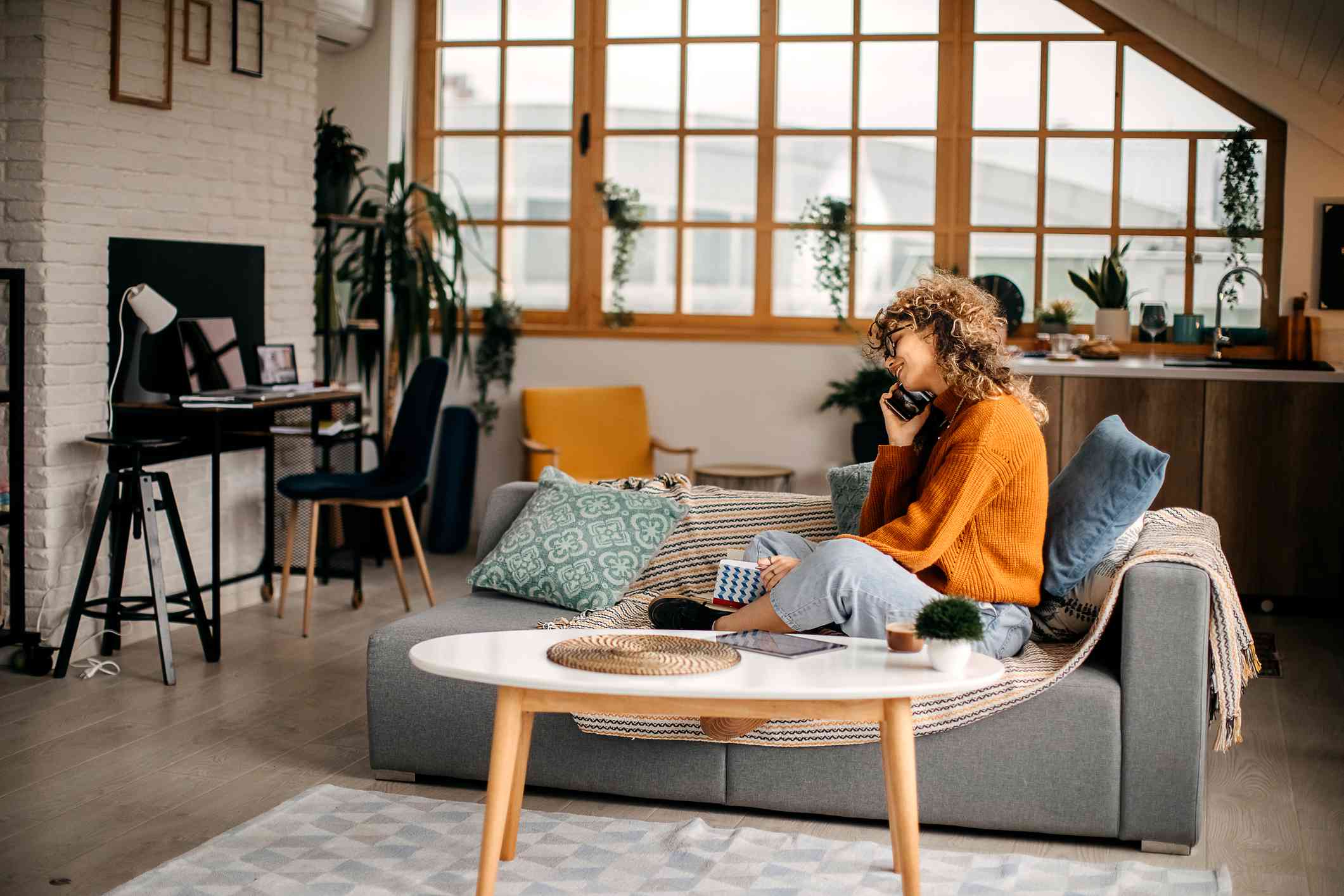
Minimalist spaces don’t mean sterile ones. A few natural elements soften structure and restore balance. Use low-maintenance plants like snake plants, ZZ plants, or peace lilies—each proven to improve indoor air quality and mood.
Select décor that reflects identity: a photo, handmade ceramic, or art piece with meaning. Minimalism thrives on intention, not deprivation.
Why It Works: Minimalism Rewires Stress Response
Reducing clutter and visual noise lowers cortisol levels. Order helps the brain filter information efficiently, reducing fatigue.
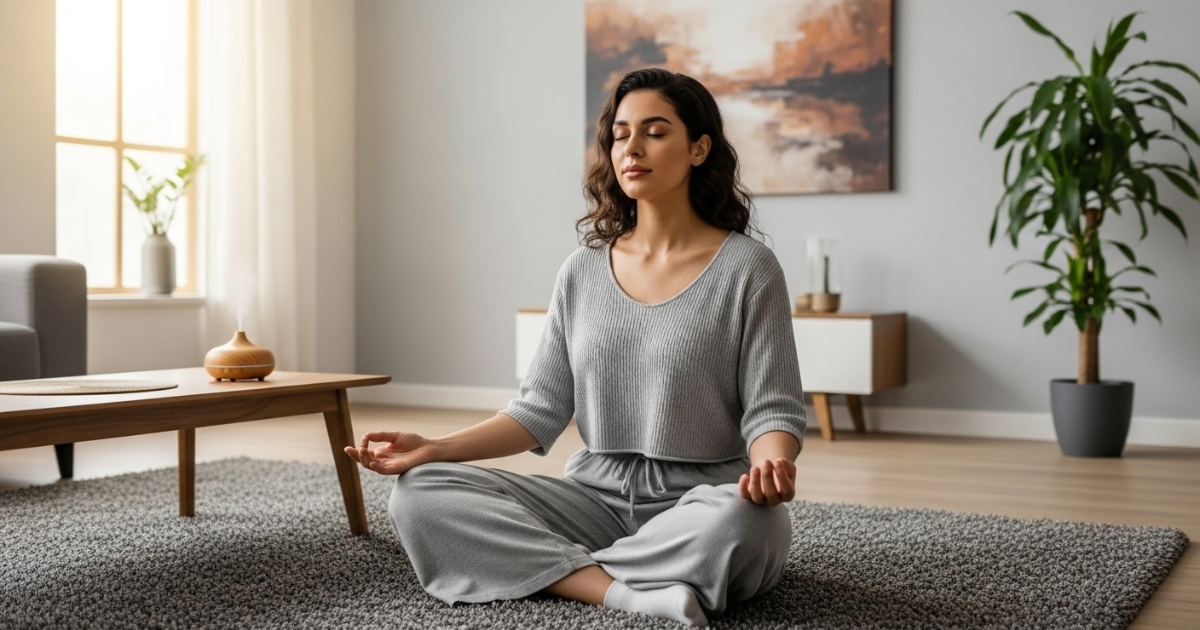
The result: better focus, more energy, and a tangible sense of calm.
Minimalism also nurtures sustainability—fewer purchases, less waste, and more conscious living. The same mindset that calms your home can extend to how you consume, travel, and work.
Common Missteps to Avoid
-
Purging too much: Sterility isn’t serenity. Keep warmth and character.
-
Copying trends: Instagram minimalism often values aesthetics over comfort. Your version should serve your real life.
-
Neglecting upkeep: Even minimal spaces need daily attention to stay balanced.
Case Study: The 30-Day Declutter Effect
Homeowners who spent a month simplifying their environments reported a 35% drop in perceived stress and 20% better sleep quality. Minimalism isn’t aesthetic therapy—it’s cognitive therapy disguised as design.
Key Takeaways
-
Start small: Simplify one area per day.
-
Stay consistent: Maintenance beats overhaul.
-
Design for function: Every object serves a purpose.
-
Use nature: Light, plants, and air sustain calm.
-
Live intentionally: Less clutter, more clarity.
Bottom Line:
Minimalism isn’t about emptiness; it’s about alignment. A minimalist home is a mental reset button—pressed daily. By stripping away what’s unnecessary, you make space for what truly supports your well-being.