8 Whole Foods to Support Gut Health

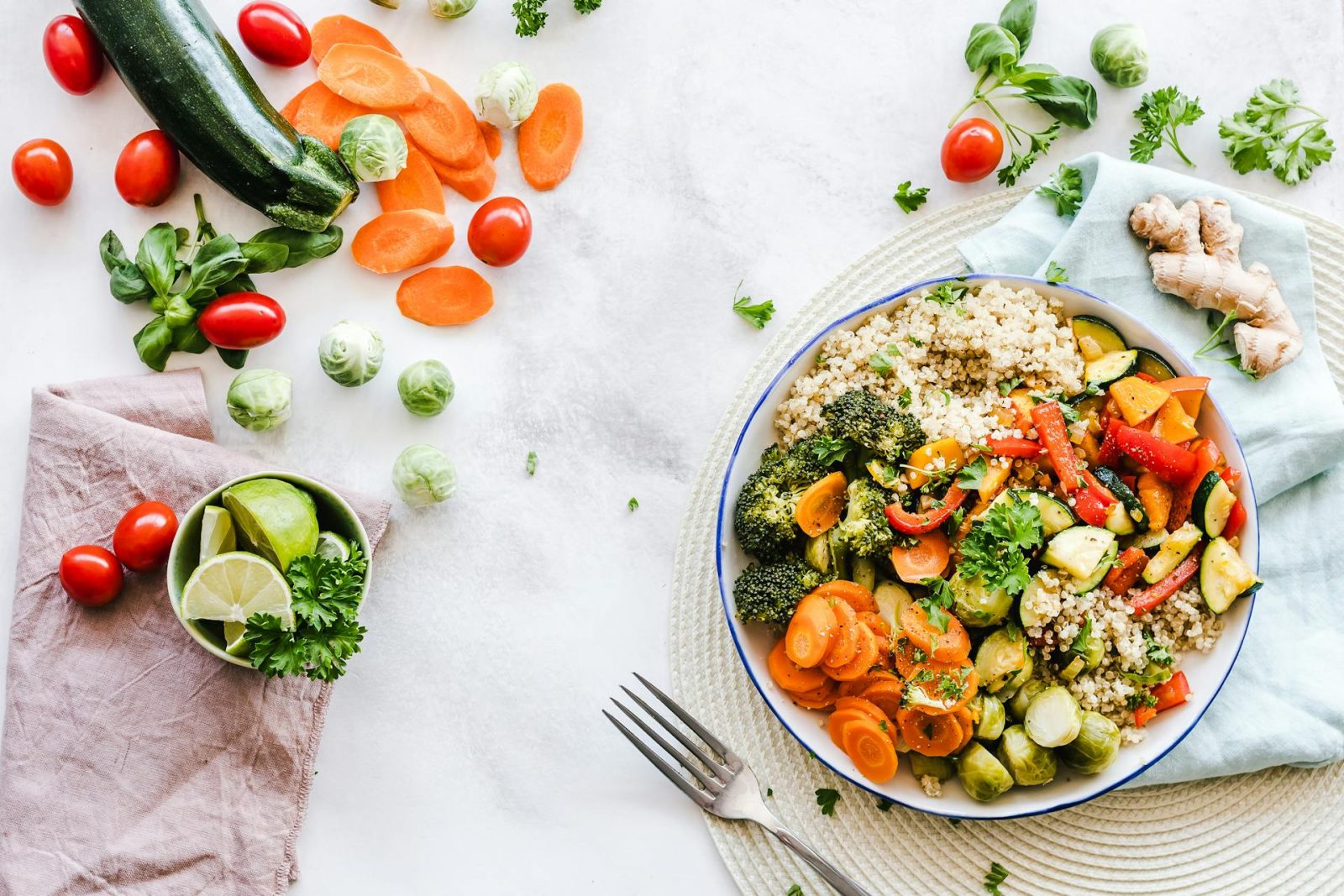
Your gut health plays a critical role in your overall well-being — from digestion to immunity, mood regulation, and even skin health. The trillions of bacteria, fungi, and microbes that live in your intestines, known collectively as the gut microbiome, depend heavily on what you eat. Consuming nutrient-dense, whole foods for gut health can restore balance, promote the growth of beneficial bacteria, and help prevent chronic diseases.
In this comprehensive guide, we’ll dive deep into the best whole foods to support gut health, exploring how they nourish your digestive system and improve your quality of life.
What Are Whole Foods and Why They Matter for Gut Health
Whole foods are foods that are minimally processed and as close to their natural state as possible. Unlike refined or ultra-processed products, they retain their vitamins, minerals, fiber, and phytonutrients — all of which are vital for gut health.
A diet centered on whole foods for gut health helps maintain a healthy gut microbiota, strengthens the intestinal lining, and reduces inflammation. Examples of whole foods include vegetables, fruits, legumes, nuts, seeds, and whole grains.
Key benefits of eating whole foods for gut health include:
-
Improved digestion and nutrient absorption
-
Stronger immune response
-
Better mood and mental clarity (thanks to the gut-brain axis)
-
Reduced risk of bloating, constipation, and irritable bowel syndrome (IBS)
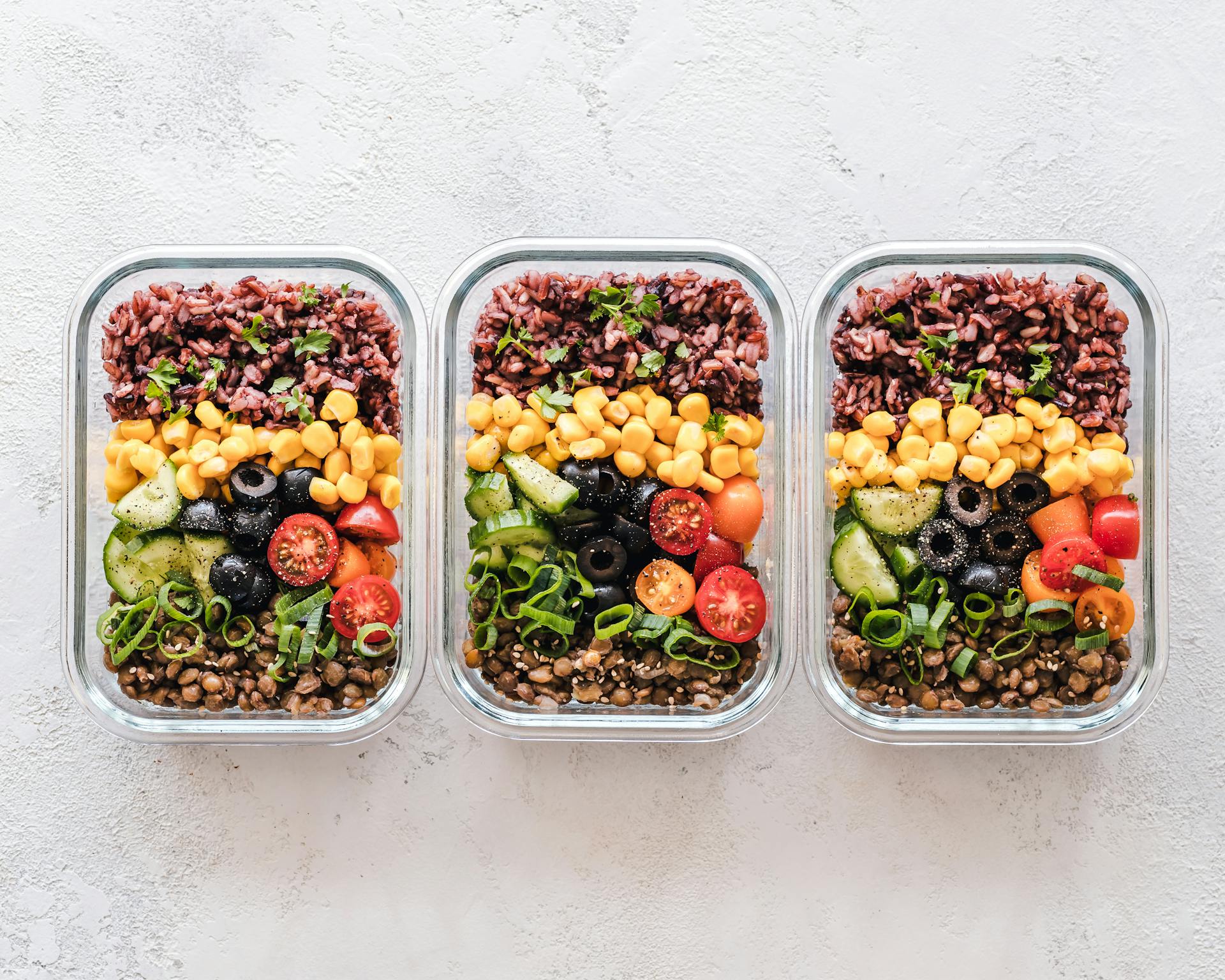
1. Fermented Foods: The Probiotic Powerhouses
Fermented foods are some of the best whole foods for gut health because they’re naturally rich in probiotics — beneficial bacteria that replenish your intestinal microbiome. These foods help balance your gut flora, support digestion, and boost immunity.
Top Fermented Foods for Gut Health
-
Yogurt (with live and active cultures)
-
Kefir – a fermented milk drink loaded with diverse probiotic strains
-
Sauerkraut – fermented cabbage full of fiber and vitamins
-
Kimchi – a spicy Korean staple that combines probiotics with antioxidants
-
Miso and Tempeh – fermented soy-based foods supporting gut and immune health
-
Kombucha – a fizzy fermented tea rich in organic acids and probiotics
Eating at least one serving of fermented whole foods daily can dramatically improve gut health and digestive balance.
2. Fiber-Rich Fruits: Fuel for Your Gut Bacteria
Your gut bacteria thrive on fiber, especially a type called prebiotic fiber, which acts as food for the microbes living in your intestines. Fiber from whole fruits not only supports bowel regularity but also enhances microbial diversity.
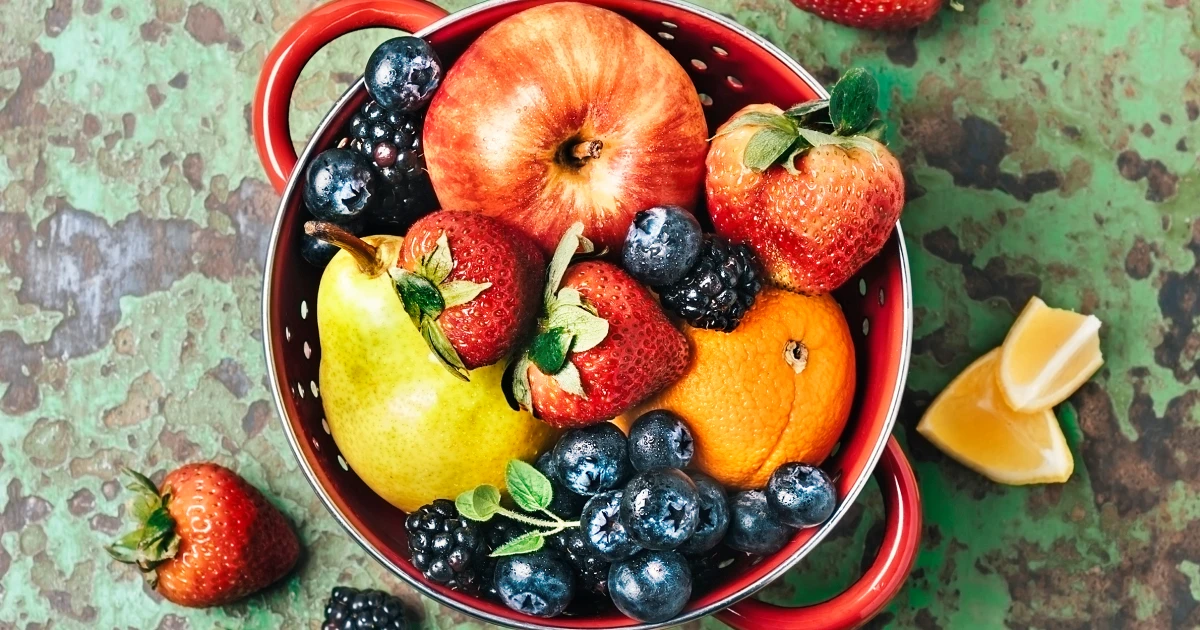
Best Fruits for Gut Health
-
Apples – rich in pectin, a soluble fiber that feeds good bacteria
-
Bananas – a natural prebiotic powerhouse that supports digestion
-
Berries (blueberries, raspberries, blackberries) – packed with fiber and antioxidants
-
Kiwi – supports regular bowel movements and improves microbial balance
-
Pears – offer high fiber and natural polyphenols for anti-inflammatory benefits
Incorporating these whole foods for gut health daily ensures that your gut bacteria stay active, happy, and healthy.
3. Vegetables That Support Gut Health
Vegetables, especially leafy greens and cruciferous types, are essential whole foods for gut health. They contain diverse fibers, vitamins, and plant compounds that strengthen the intestinal barrier and reduce inflammation.
Top Gut-Friendly Vegetables
-
Spinach, Kale, and Swiss Chard – provide fiber, magnesium, and antioxidants
-
Broccoli, Brussels Sprouts, and Cauliflower – rich in sulforaphane, a compound linked to gut detoxification
-
Garlic and Onions – contain prebiotics like inulin that nourish gut bacteria
-
Leeks and Asparagus – excellent sources of prebiotic fiber
To maximize benefits, eat a variety of colorful vegetables daily. The broader your plant diversity, the healthier your gut microbiome becomes.
4. Whole Grains: Sustaining Gut Function and Microbial Health
Unlike refined grains, whole grains retain their bran and germ, providing fiber, B vitamins, and minerals crucial for gut health. The prebiotic fiber in these foods helps beneficial bacteria flourish.
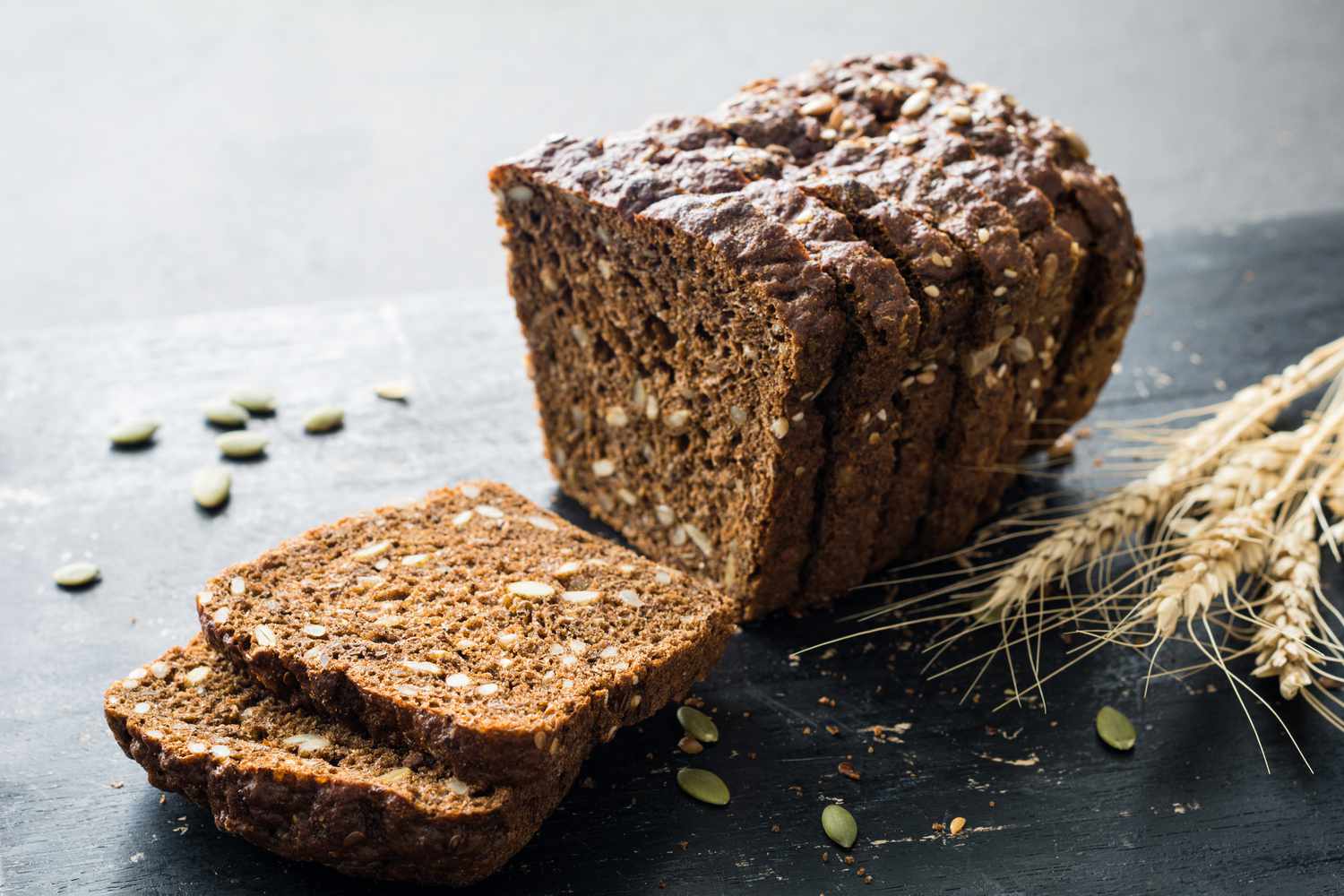
Best Whole Grains for Gut Health
-
Oats – rich in beta-glucan, which promotes healthy gut flora
-
Quinoa – gluten-free and high in plant-based protein and fiber
-
Brown Rice – supports digestion and provides resistant starch
-
Barley – another great source of beta-glucan
-
Millet and Buckwheat – packed with prebiotic compounds and antioxidants
Swapping white rice, pasta, and bread for whole grain alternatives is one of the simplest ways to improve your gut health naturally.
5. Legumes: Protein-Packed Prebiotics
Beans, lentils, and chickpeas are excellent whole foods for gut health thanks to their high fiber and plant-based protein content. The resistant starches in legumes act as prebiotics, feeding the beneficial bacteria in your colon.
Examples of Gut-Healthy Legumes
-
Chickpeas – support digestion and regulate blood sugar
-
Lentils – improve stool consistency and promote gut motility
-
Black beans and kidney beans – loaded with prebiotic fibers
-
Peas – a gentle, versatile source of gut-friendly carbohydrates
Introduce legumes gradually into your diet to prevent bloating, and always soak them before cooking to improve digestibility.
6. Nuts and Seeds: Tiny Nutrient Powerhouses
Nuts and seeds are small but mighty whole foods for gut health. They contain healthy fats, fiber, and plant polyphenols that support beneficial bacteria while reducing inflammation in the digestive tract.
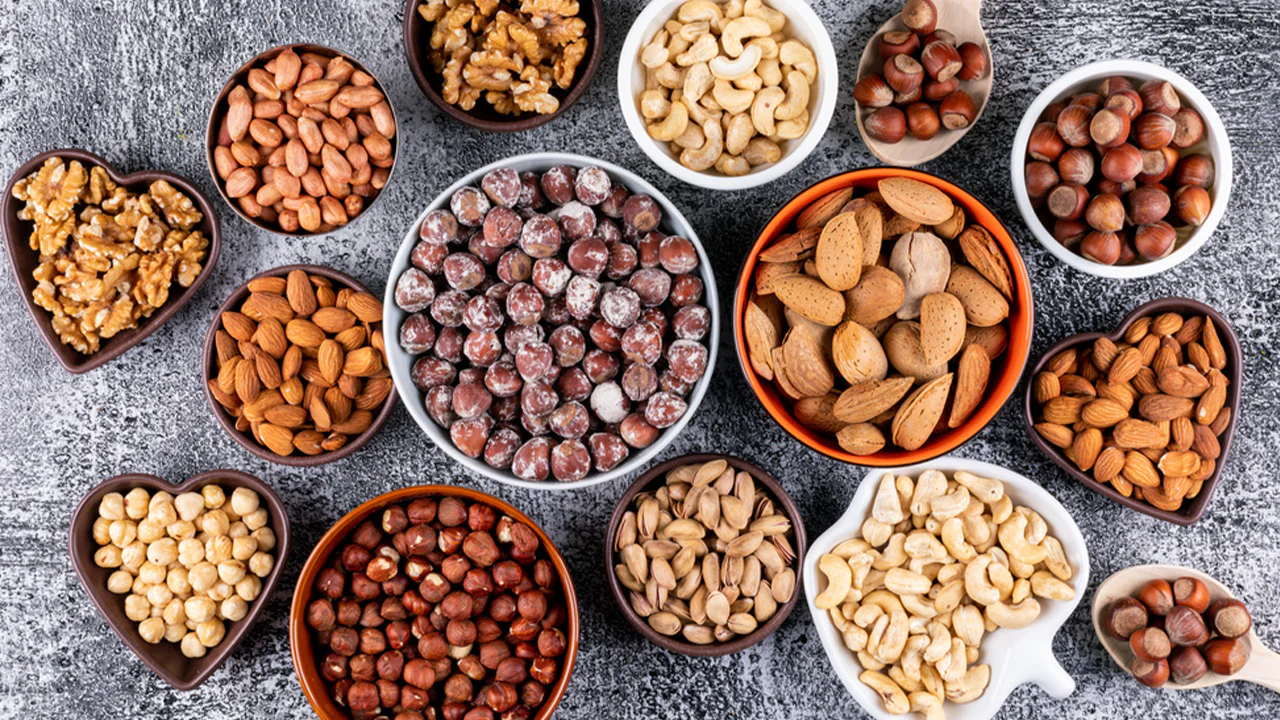
Top Nuts and Seeds for Gut Health
-
Almonds – a prebiotic-rich nut that enhances microbiome diversity
-
Walnuts – promote the growth of butyrate-producing bacteria
-
Chia Seeds and Flaxseeds – provide omega-3s and soluble fiber
-
Pumpkin Seeds – rich in zinc, essential for gut repair and immunity
Snack on a handful of mixed nuts or sprinkle seeds over yogurt, smoothies, or salads to add gut-friendly whole foods into your day.

7. Healthy Fats That Nourish the Gut
Contrary to popular belief, not all fats are bad. Healthy fats from whole food sources are essential for nutrient absorption and reducing gut inflammation. These fats help maintain the integrity of your intestinal lining and promote microbial balance.
Best Healthy Fat Sources
-
Avocado – rich in monounsaturated fats and fiber
-
Extra Virgin Olive Oil – packed with polyphenols and anti-inflammatory properties
-
Fatty Fish (salmon, sardines, mackerel) – high in omega-3 fatty acids
-
Coconut Oil – contains medium-chain triglycerides that support digestive health
Including these whole foods for gut health in your diet helps maintain both your microbiome and your overall metabolic function.
8. Herbs and Spices: Natural Gut Healers
Certain herbs and spices have antimicrobial, anti-inflammatory, and digestive-enhancing properties that make them powerful allies for gut health.
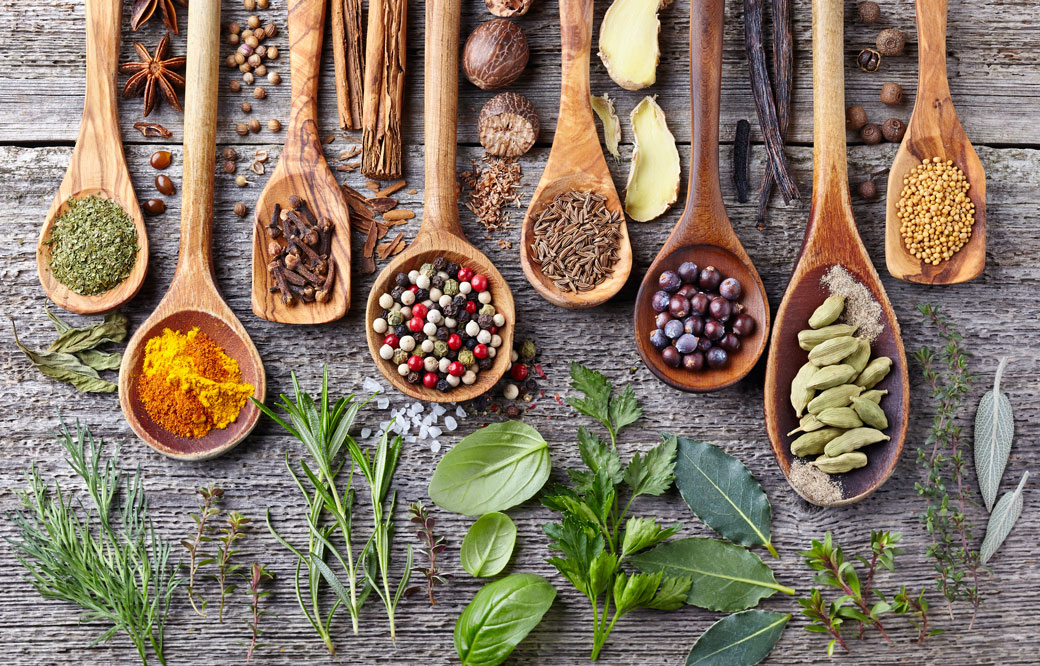
Best Herbs and Spices for a Healthy Gut
-
Ginger – promotes stomach emptying and relieves bloating
-
Turmeric – contains curcumin, a potent anti-inflammatory compound
-
Cinnamon – regulates blood sugar and supports microbial balance
-
Peppermint – soothes the digestive tract and reduces gas
These natural ingredients make excellent additions to teas, soups, and smoothies, further enhancing your gut health.
Hydration: The Unsung Hero of Gut Health
Water might not be a “food,” but it’s essential for keeping your digestive system functioning properly. Adequate hydration ensures smooth bowel movements, helps fiber work effectively, and supports nutrient absorption.
To optimize gut health, pair water intake with whole foods that have high water content, such as cucumbers, oranges, and celery.
Lifestyle Habits That Complement Whole Foods for Gut Health
While food plays the starring role, your lifestyle also influences your gut microbiome. To make the most of your whole food diet, pair it with these habits:
-
Get enough sleep – Poor rest can alter gut bacteria composition
-
Exercise regularly – Physical activity increases microbial diversity
-
Manage stress – Chronic stress disrupts gut flora
-
Avoid unnecessary antibiotics – They destroy beneficial bacteria
Together, these practices amplify the impact of whole foods for gut health, leading to lasting wellness.
Eating whole foods for gut health isn’t just about digestion — it’s about fueling your entire body. By choosing fiber-rich fruits, vegetables, legumes, nuts, seeds, fermented foods, and healthy fats, you create an environment where good bacteria thrive. Over time, you’ll notice better digestion, improved immunity, balanced mood, and enhanced energy levels.
Start today: fill your plate with colorful, nutrient-dense, whole foods and let your gut — and your body — thank you.
FAQs
1. What are the best probiotics for gut health?
The best probiotics come from natural sources like yogurt, kefir, sauerkraut, kimchi, and miso. These whole foods for gut health introduce beneficial bacteria into your system.
2. How long does it take to improve gut health with whole foods?
Most people notice positive changes within 2–4 weeks of consistently eating whole foods for gut health, including reduced bloating and better digestion.
3. Can I improve gut health without supplements?
Absolutely. A balanced diet rich in whole foods for gut health — especially fermented foods, vegetables, fruits, and whole grains — can restore gut balance naturally without supplements.