How to Use Breathwork to Calm Anxiety in 5 Minutes

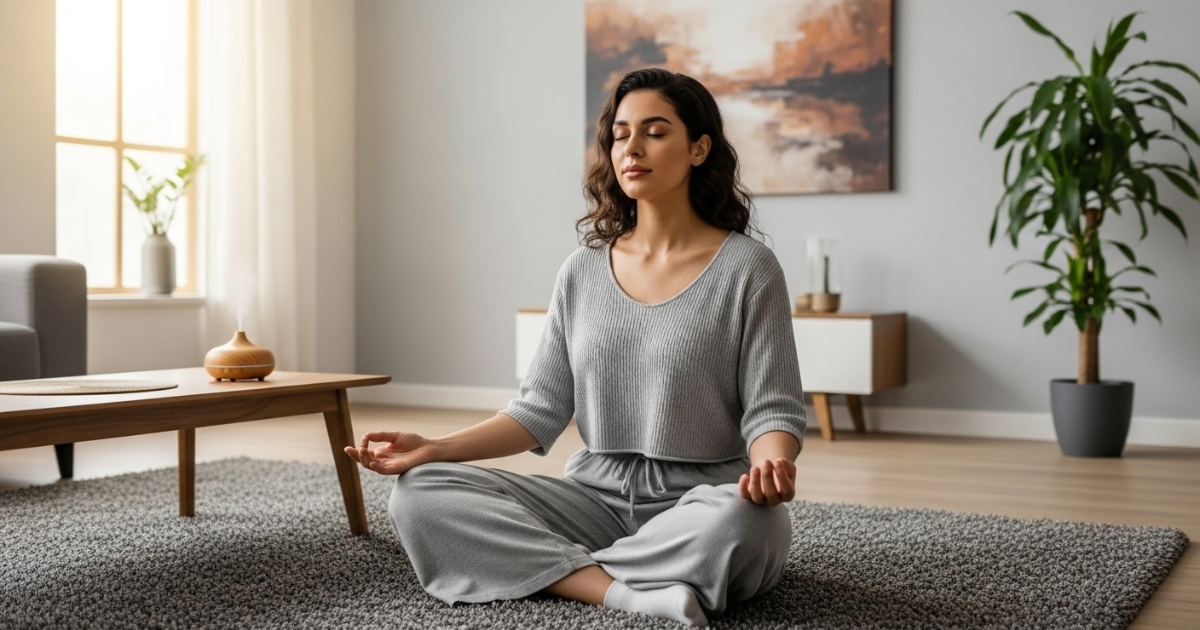
Ever noticed how your breath changes when you’re anxious? It becomes shallow, fast, and erratic — almost like your body is on high alert. The good news? The same breath that speeds up your anxiety can also be the key to calming it down. Welcome to the world of breathwork — a simple, science-backed tool that can help you regain control and peace of mind in just five minutes.
What Exactly Is Breathwork?
At its core, breathwork is the practice of consciously controlling your breathing patterns to influence your mental, emotional, and physical state. It’s like hacking your body’s natural system — no fancy equipment needed.
The Science Behind Breathwork
When you take deep, controlled breaths, you stimulate the vagus nerve, which activates your parasympathetic nervous system — your body’s built-in “rest and digest” mode. This shifts you away from the fight-or-flight response that fuels anxiety.
Why It Works for Anxiety
Breathwork lowers your heart rate, reduces cortisol levels, and sends a message to your brain that you’re safe. Essentially, it’s your body’s way of whispering, “Hey, relax. You’re okay.”
Recognizing the Signs of Anxiety
Before diving into breathwork, it’s important to recognize when anxiety is creeping in.
The Physical Symptoms
-
Rapid heartbeat
-
Shallow breathing
-
Tight chest
-
Sweaty palms
-
Restlessness
The Mental Loop of Worry
Your mind races, replaying fears or “what ifs.” Breathwork helps you step off that mental treadmill and come back to now.
How Breathwork Interrupts the Anxiety Cycle
Resetting Your Nervous System
Think of your nervous system like a thermostat. When anxiety spikes, breathwork helps turn the temperature down.
Bringing You Back to the Present Moment
Focusing on your breath grounds you in the “now.” It’s impossible to be fully anxious when you’re truly present.
Preparing for a 5-Minute Breathwork Session
Before you begin, set yourself up for success.
Find a Calm Spot
Choose a quiet space — a cozy chair, your bed, or even your car (parked, of course).
Adjust Your Posture
Sit tall with your shoulders relaxed. Let your hands rest gently on your lap or stomach.
Set an Intention
It could be as simple as: “I want to feel calm” or “I’m letting go of tension.” Intentions give your breath purpose.
Step-by-Step: 5-Minute Breathwork Technique to Calm Anxiety
Now, let’s dive into a simple yet powerful sequence. You can mix and match these methods based on how you feel.
Step 1: The Deep Belly Breath (Diaphragmatic Breathing)
-
Place one hand on your chest and the other on your belly.
-
Inhale deeply through your nose, feeling your belly rise.
-
Exhale slowly through your mouth.
-
Repeat for one minute.
This sends a strong signal of safety to your brain.
Step 2: The Box Breathing Method
Used by Navy SEALs for focus and calm:
-
Inhale for 4 seconds
-
Hold for 4 seconds
-
Exhale for 4 seconds
-
Hold again for 4 seconds
Repeat this cycle for about one minute. Feel the mental fog clear.
Step 3: The 4-7-8 Technique
This one’s amazing for fast relaxation:
-
Inhale through your nose for 4 seconds
-
Hold for 7 seconds
-
Exhale slowly for 8 seconds
You’ll feel your heart rate slow down within moments.
Step 4: Alternate Nostril Breathing
A balancing technique from yoga:
-
Close your right nostril and inhale through the left.
-
Close the left and exhale through the right.
-
Alternate for one minute.
It brings instant harmony between the body and mind.
Step 5: Sigh It Out
Yes, literally sigh! Take a deep breath in through your nose and exhale with a loud, open-mouth sigh.
It releases trapped tension — a mini emotional detox.

Quick Tips to Enhance Your Breathwork Practice
Add Soothing Music or Nature Sounds
Calm background sounds help your mind ease into the practice.
Use Aromatherapy or Essential Oils
Lavender, eucalyptus, or chamomile scents can enhance relaxation.
Try Guided Breathwork Apps
Apps like Calm, Headspace, or Breathwrk offer short guided sessions you can do anywhere.
Common Mistakes to Avoid
Holding Your Breath Too Long
Pushing yourself too hard can cause dizziness. Comfort over perfection — always.
Overthinking the Technique
It’s okay if your mind wanders. Gently bring your focus back to your breath.
Expecting Instant Perfection
Like any skill, breathwork gets easier with consistency. Even one mindful minute counts.
How Often Should You Practice?
Ideally, make it a daily ritual.
Even 5 minutes in the morning or before bed can dramatically reduce anxiety over time. The more regularly you practice, the faster your body learns to enter a calm state.
The Long-Term Benefits of Breathwork
Reduced Stress Levels
Consistent breathwork lowers stress hormones and builds emotional resilience.
Improved Focus and Sleep
When your mind is calm, concentration and rest come naturally.
Enhanced Emotional Balance
You’ll notice fewer mood swings and more inner peace. Breathwork is like emotional strength training.
Combining Breathwork with Other Calming Techniques
Meditation and Mindfulness
Pairing deep breathing with mindful awareness amplifies the effect. Observe each inhale and exhale without judgment.
Gentle Movement (Yoga or Stretching)
Incorporating slow movements while breathing deepens relaxation and body awareness.
Journaling Your Progress
After each session, jot down how you feel. Over time, you’ll see patterns of improvement — a powerful motivation boost.
Breathe, Don’t Battle
When anxiety hits, your first instinct might be to fight it. But fighting only fuels the fire.
Instead, pause, close your eyes, and breathe. Within five minutes, you can shift from chaos to calm — no medication, no special gear, just the air already around you.
So next time anxiety tries to take over, remember: peace is just one breath away.
FAQs
1. How often should I practice breathwork for anxiety?
Start with 5 minutes daily. As you get comfortable, increase to 10–15 minutes for deeper benefits.
2. Can breathwork replace therapy or medication?
No — it’s a supportive tool, not a substitute. Always consult a professional for persistent anxiety.
3. What’s the best time to practice?
Morning and bedtime are ideal. But honestly, any time you feel anxious works just fine.
4. Can I do breathwork while walking or working?
Absolutely! Simple rhythmic breathing can be done anywhere — even during a stressful meeting.
5. How long before I notice results?
Most people feel calmer after just one session. With regular practice, you’ll notice lasting calm within a week or two.